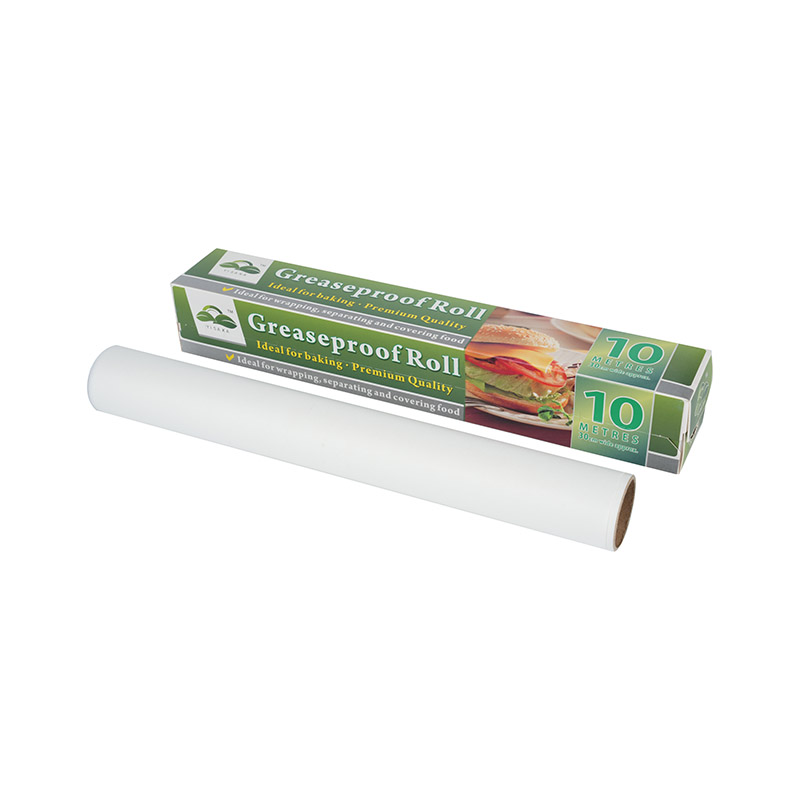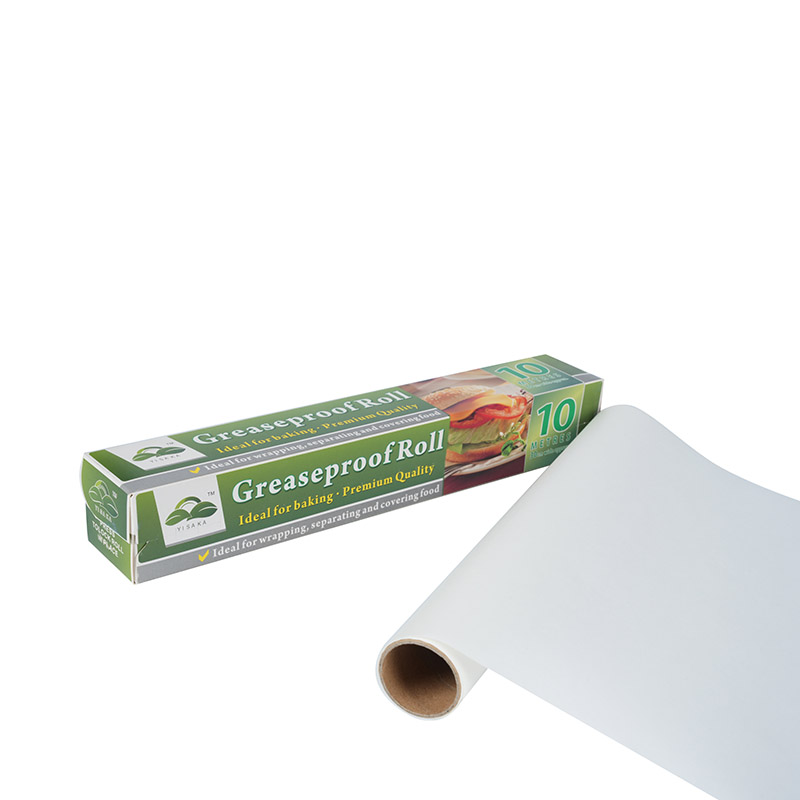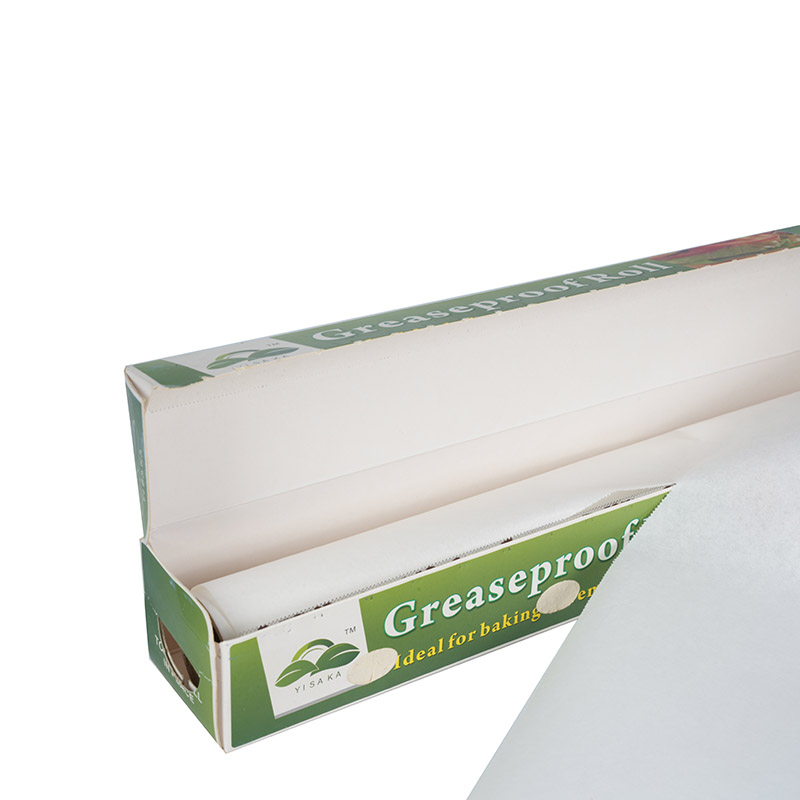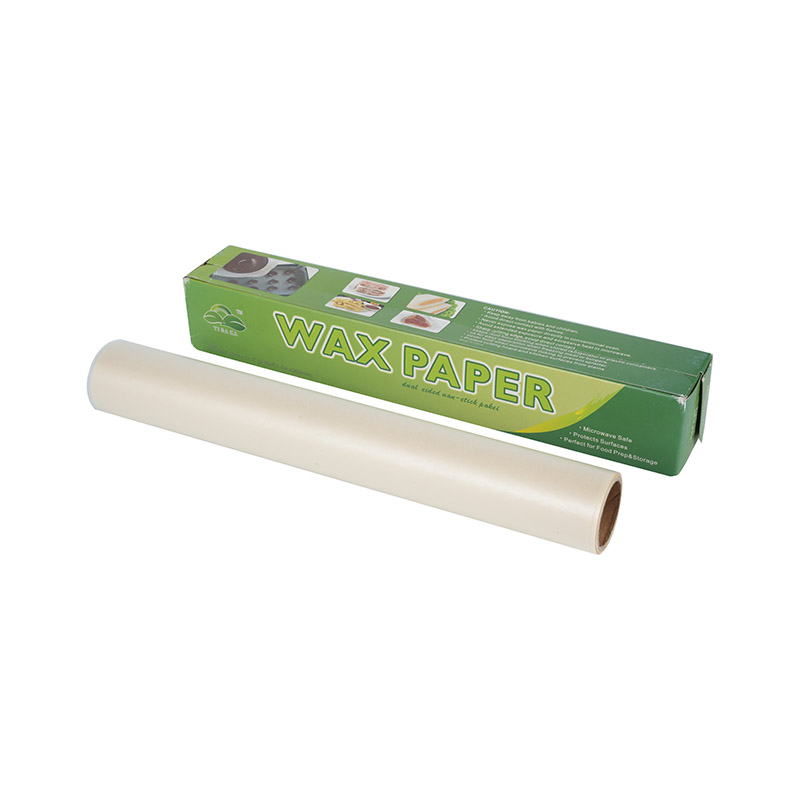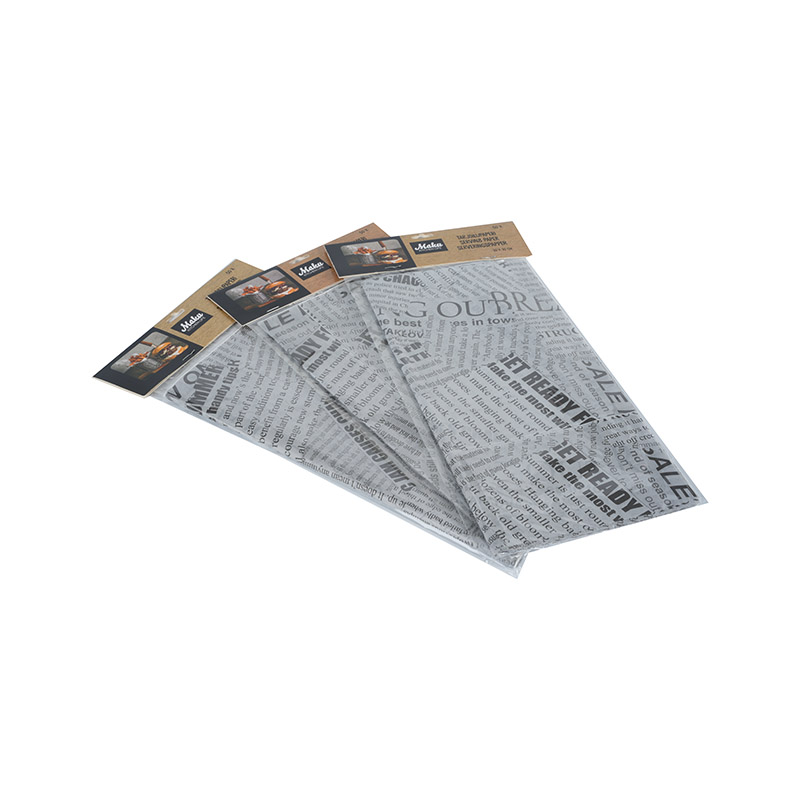

Have you ever stopped to appreciate the simple sheet of paper that separates your juicy burger from your hands? It might seem trivial, but hamburger wrapping paper is a marvel of material science and engineering, designed to perform a surprisingly complex task: keeping your food hot, fresh, and mess-free.
The Triple Threat: Heat, Grease, and Moisture
A freshly cooked hamburger presents a triple threat to its packaging: intense heat , copious grease , and significant moisture (steam and condensation). A subpar wrapper would instantly turn soggy, fall apart, and leak grease everywhere—a recipe for a very unhappy customer. The humble wrapping paper is engineered to stand up to all three.
The Science of Keeping it Together: Material Composition
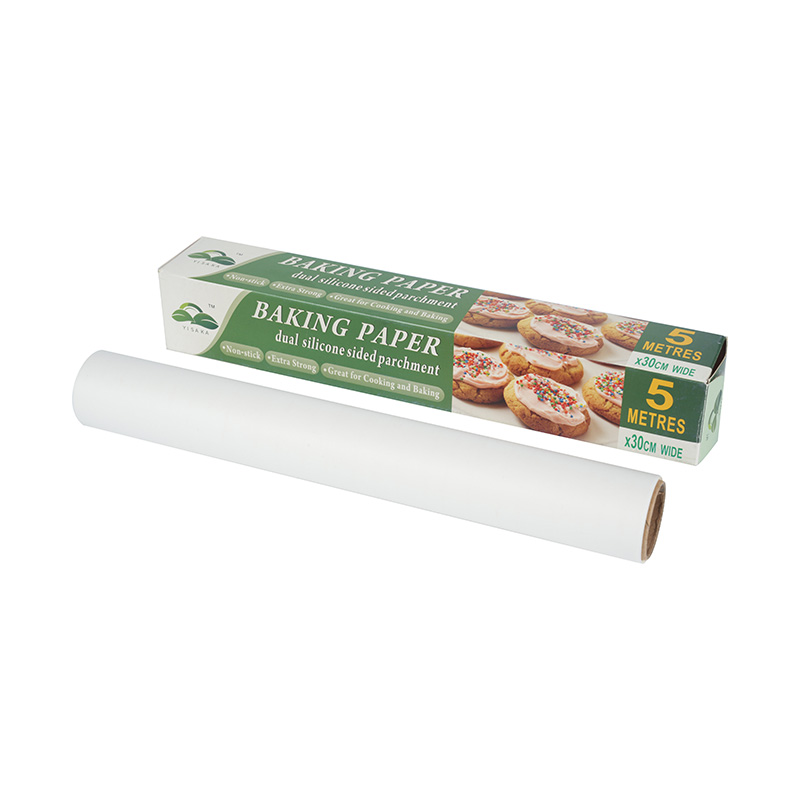
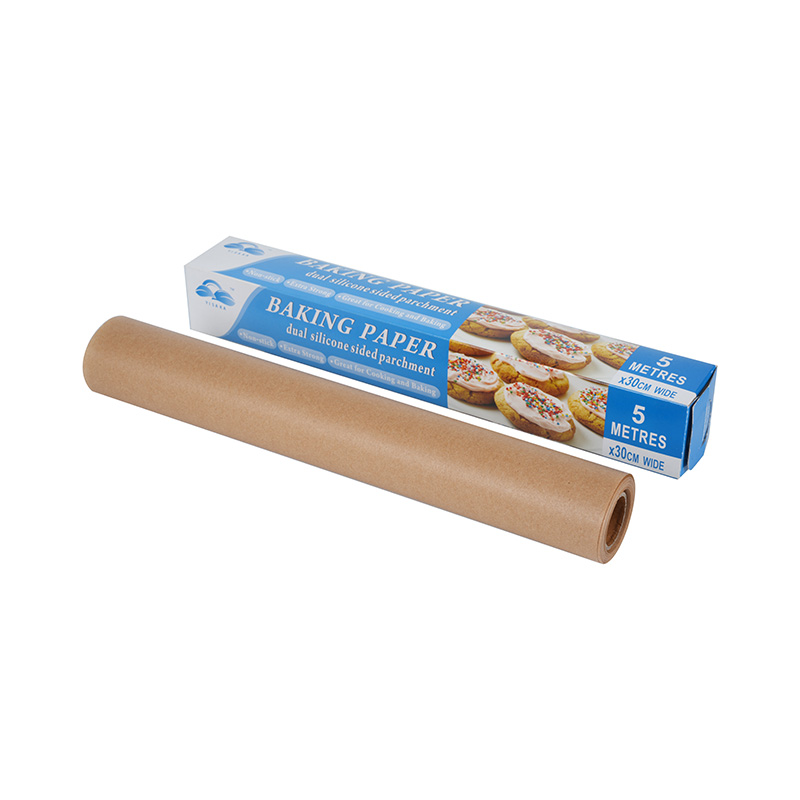
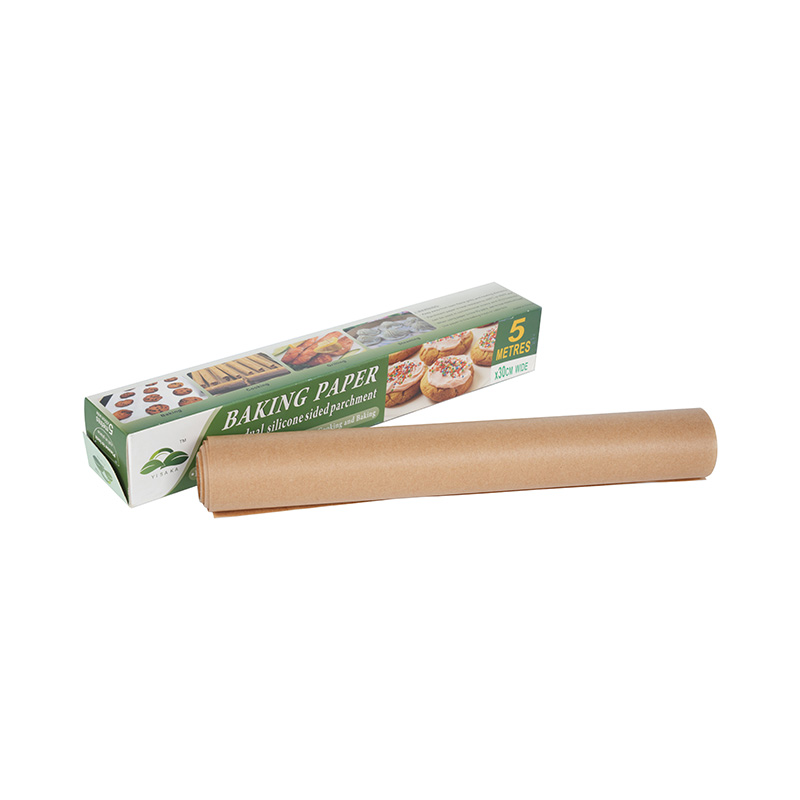
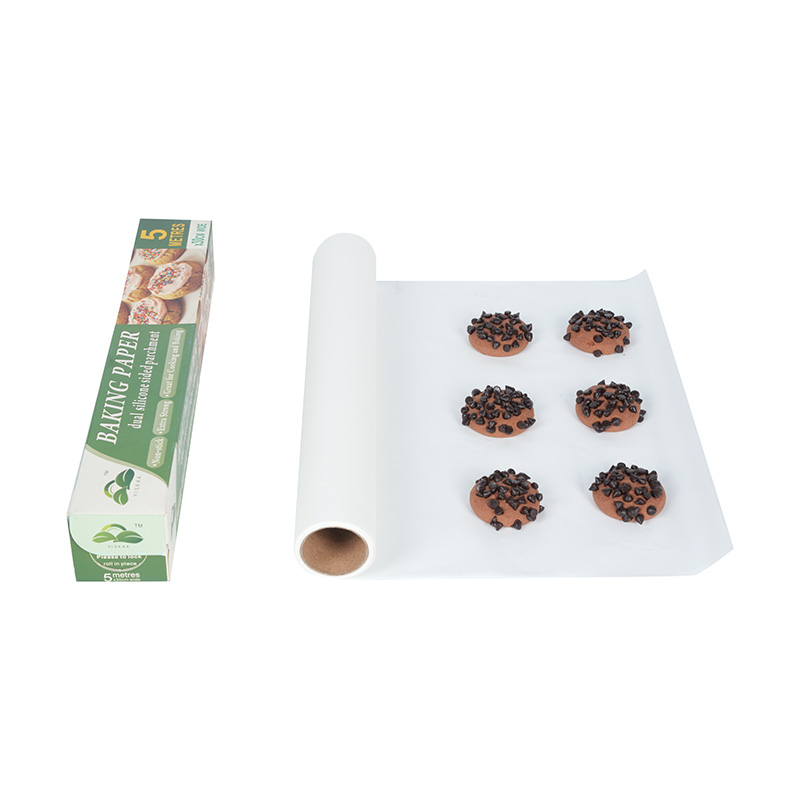
The secret lies in the paper’s material and its treatment. Typically, hamburger wrappers are not just regular paper. They are often made from specialized types of paper like parchment paper , wax paper , or, most commonly, a specially treated grease-resistant paper .
- Grease Resistance: This is the most crucial feature. To achieve it, the paper fibers are often treated during the pulping process ( beating the fibers) to make the paper less porous. Some wrappers use coatings, such as a thin layer of wax (petroleum or soybean-based) or a non-stick chemical treatment. These layers create a barrier, preventing the hydrophobic (water-repelling) grease from soaking into the hydrophilic (water-loving) paper fibers.
- Breathability vs. Retention: The wrapper needs to strike a delicate balance. It must be able to retain heat to keep the burger warm, but it must also allow a small amount of steam to escape (breathability). If the paper were completely sealed (like plastic film), the trapped steam would condense back into water, making the bun wet and mushy. The wrapper’s structure allows just enough ventilation to release excess moisture while insulating the burger.
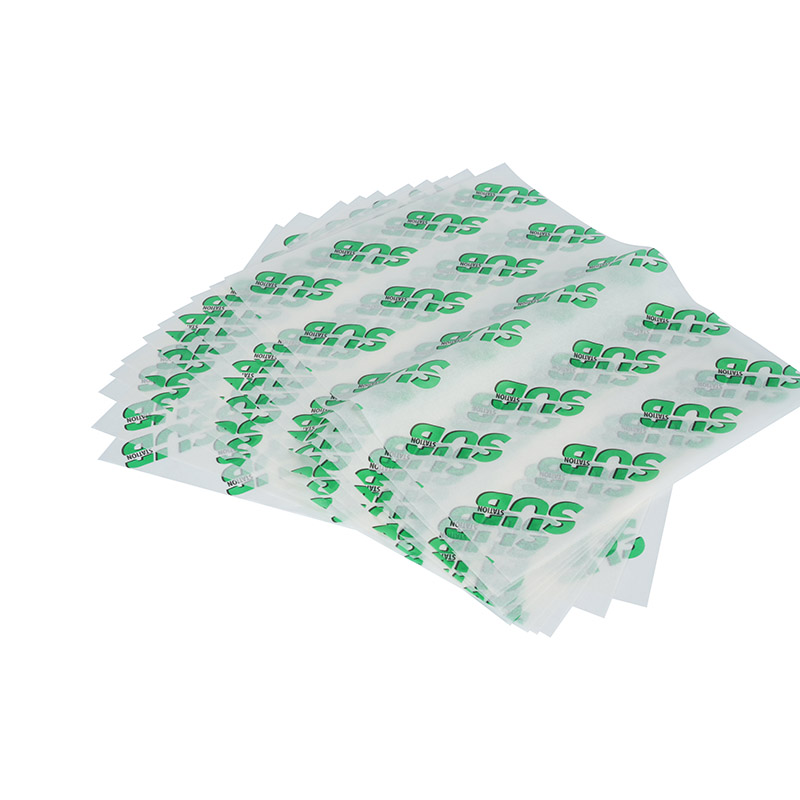
The Art of the Fold: Why Packaging Matters
It’s not just the paper itself, but how it’s folded that makes a difference. The standard hamburger wrap, often seen at fast-food chains, is a carefully designed technique.
Creating the Thermal Pocket
The wrapping technique creates an air pocket around the burger, which acts as a fantastic insulator . This is the same principle that makes a down jacket warm: trapped air minimizes the transfer of heat.
- The wrapper is placed diagonally under the burger.
- The two opposite corners are brought up and over, meeting in the center.
- The loose ends are tucked underneath, creating a tight, structured package.
This tight fold not only keeps the wrapper from unraveling but also helps hold the bun and ingredients (like lettuce, tomato, and cheese) in place. The slight tension from the fold prevents the burger from sliding around, keeping its structure intact from the counter to your table.
The Future of the Wrapper: Sustainability Challenges
In a world increasingly focused on the environmental impact of single-use items, the hamburger wrapper is undergoing a transformation.
Moving Beyond Wax and Chemicals
Traditional grease-resistant papers sometimes contained per- and poly-fluoroalkyl substances ( PFAS ), known as “forever chemicals,” which are highly effective at repelling oil but have environmental and health concerns.
The industry is rapidly shifting toward PFAS-free alternatives . These new wrappers often use bio-based coatings, such as specialized starches or polymers derived from plant materials, to achieve the same grease-proof properties in a more environmentally friendly way. The goal is a wrapper that is not only effective but also readily compostable or recyclable after use, closing the loop on this small but mighty piece of food packaging.
So the next time you unwrap a hot, intact, and delicious hamburger, remember the fascinating blend of chemistry, engineering, and folding artistry that went into its tiny, unsung hero: the wrapping paper.